Flower meanings list
These are the flowers we've written up so far, A to Z. Each has its meaning in a line here, and the full story, colors included, on its birth-month page.
| Flower | What it means | Birth flower for |
|---|---|---|
| Aster | Love and patience; once “afterthought” | September |
| Carnation | Fascination, and a mother's love | January |
| Chrysanthemum | Joy and loyalty; mourning in parts of Europe | November |
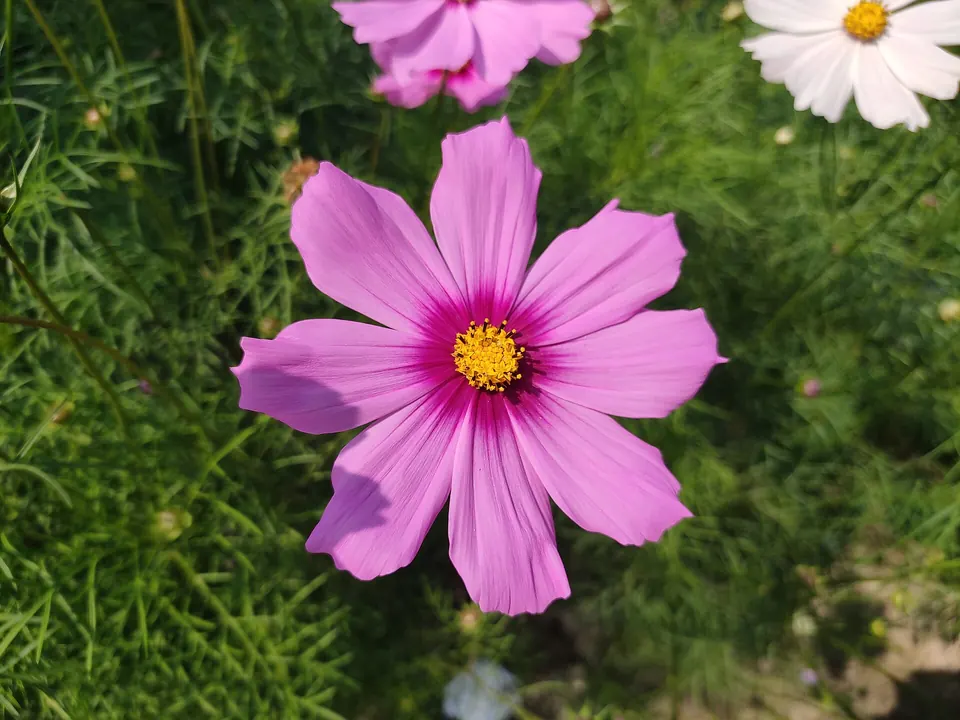
| Cosmos | Order and harmony | October |
| Daffodil | Regard, and new beginnings | March |
| Daisy | Innocence | April |
| Gladiolus | Strength and integrity | August |
| Hawthorn | Hope | May |
| Holly | Foresight | December |
| Honeysuckle | Generous and devoted affection | June |
| Jonquil | “I desire a return of affection” | March |
| Larkspur | Lightness, levity and first love | July |
| Lily of the valley | Return of happiness | May |
| Marigold | Grief, and remembrance | October |
| Morning glory | Affection, or affectation | September |
| Narcissus | Self-love, after the myth | December |
| Poppy | Consolation, and remembrance | August |
| Primrose | Early youth | February |
| Rose | Love | June |
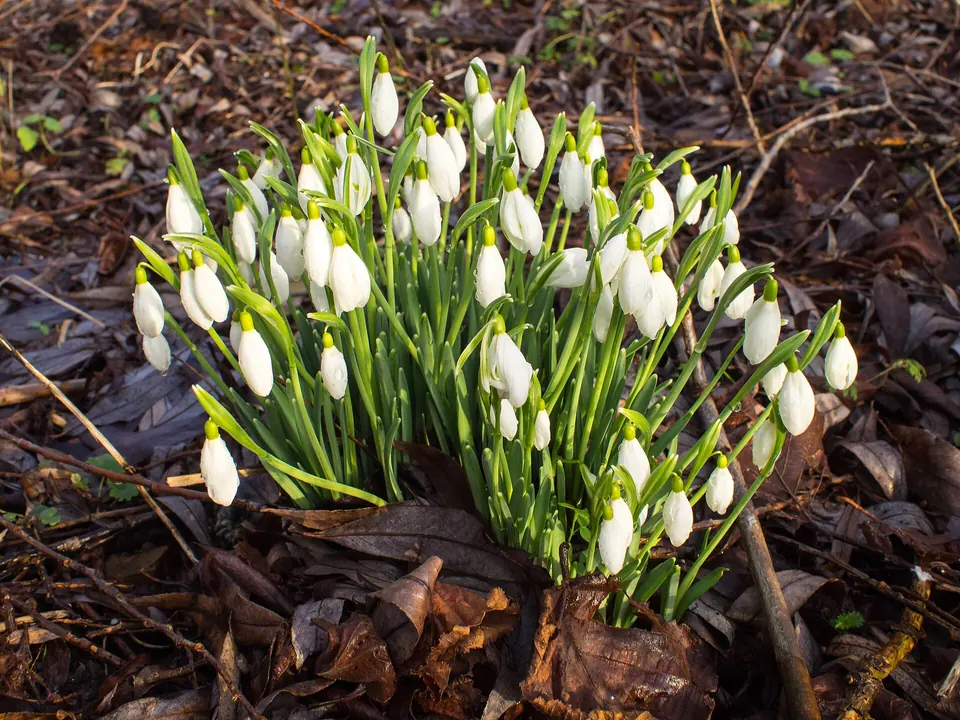
| Snowdrop | Hope | January |
| Sweet pea | Delicate pleasures, or goodbye | April |
| Violet | Modesty and faithfulness | February |
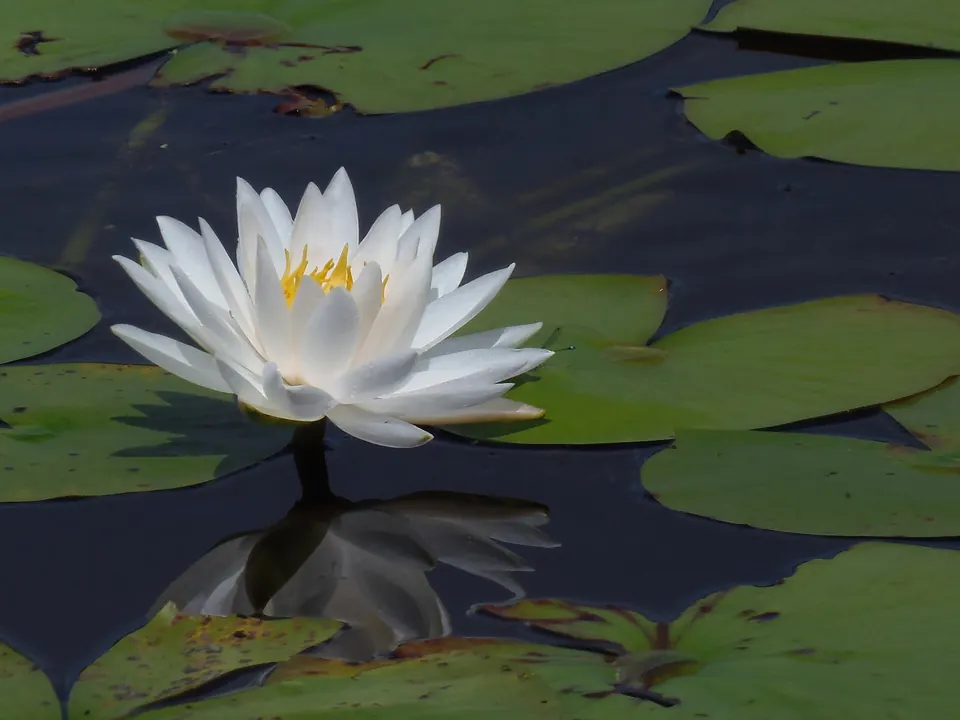
| Water lily | Purity of heart | July |
What is the language of flowers?
The language of flowers, or floriography, is the idea that every flower carries a message, and it's where most of today's flower symbolism comes from. It took off in the 1800s, with one of the first popular dictionaries, Charlotte de la Tour's Le Langage des Fleurs, published in Paris in 1819. Victorian Britain and America followed with dozens of their own, and a bouquet became something you could read.
Daisy, innocence. Snowdrop, hope. Holly, foresight.
The best known is Kate Greenaway's Language of Flowers, published in London in 1884 with her own illustrations. It's in the public domain, and it's the main source for the Victorian meanings on these pages. Next to it we give modern meanings from The Old Farmer's Almanac, because the two don't always match: the yellow rose meant jealousy to the Victorians, and the Almanac now gives it cheer and happiness.
None of it was ever fixed. The dictionaries copied each other, changed things and sometimes contradicted themselves; Greenaway lists the sweet pea twice, as “departure” and as “delicate pleasures.” Take the meanings as a tradition, not a rulebook.
Rose color meanings
The rose has more entries in Greenaway's book than any other flower, and most people want its meanings by color. In short:
| Color | What it means |
|---|---|
| Red | Love, “I love you” |
| White | Innocence and purity; to the Victorians, “I am worthy of you” |
| Yellow | Cheer and happiness now; jealousy in the old books |
| Pink | Happiness and admiration |
| Orange | Desire and enthusiasm |
| Lavender | Love at first sight |
There's more on each color, and on the honeysuckle that shares the month, on the June birth flower page.
Birth flowers by month
Every month has a birth flower, and most have two. The birth flower chart has all 12 months on one page, and each month has its own page with meanings, colors, tattoo ideas and when to spot the flowers.
-
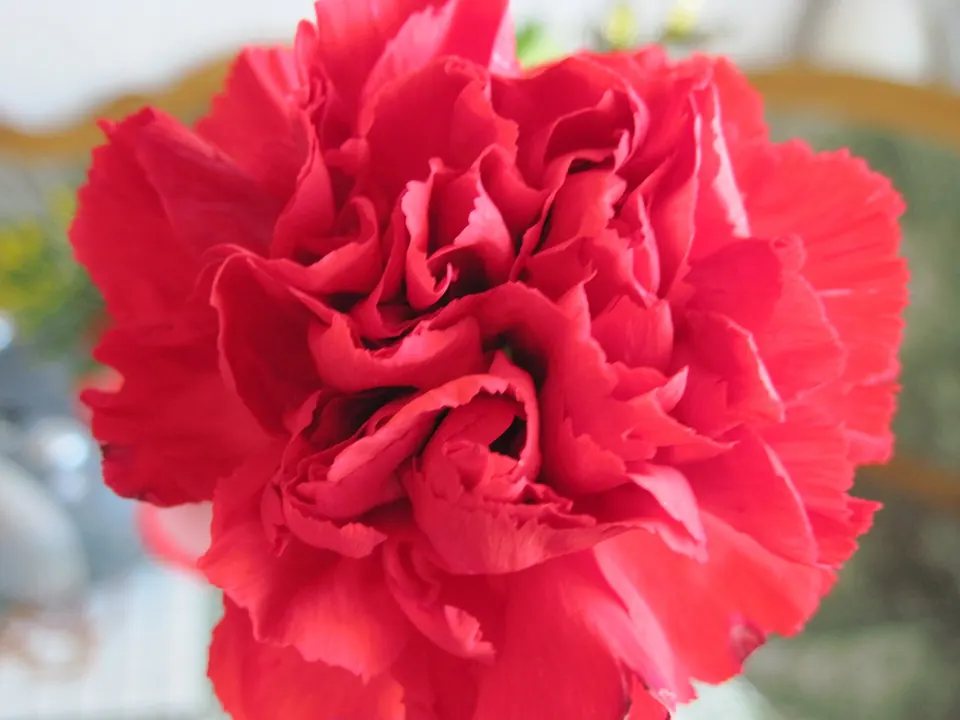 January
Carnation & snowdrop
-
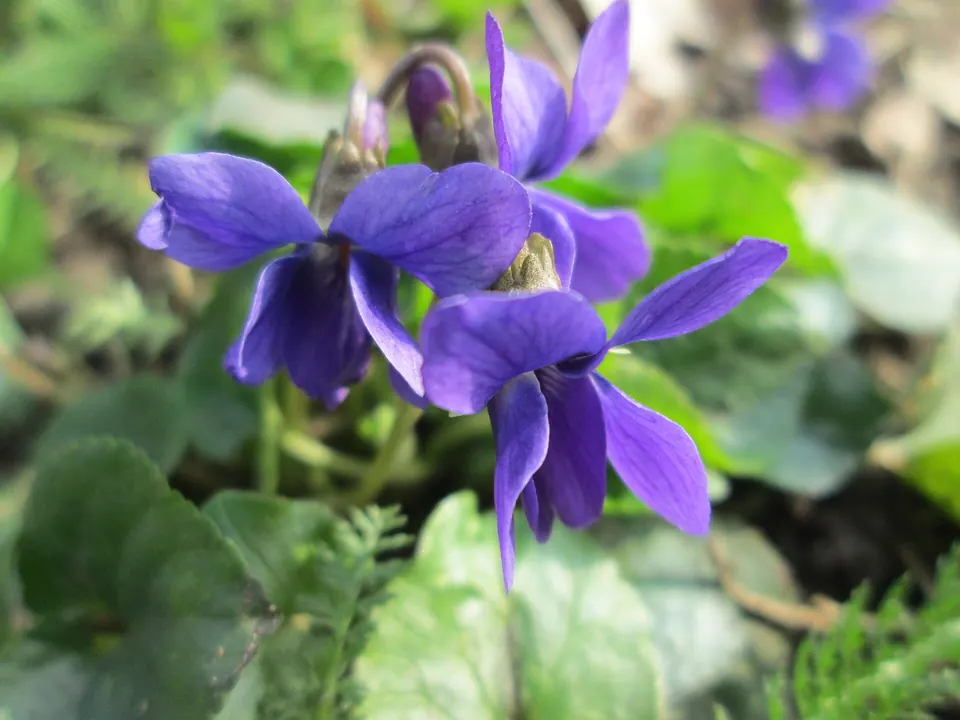 February
Violet & primrose
-
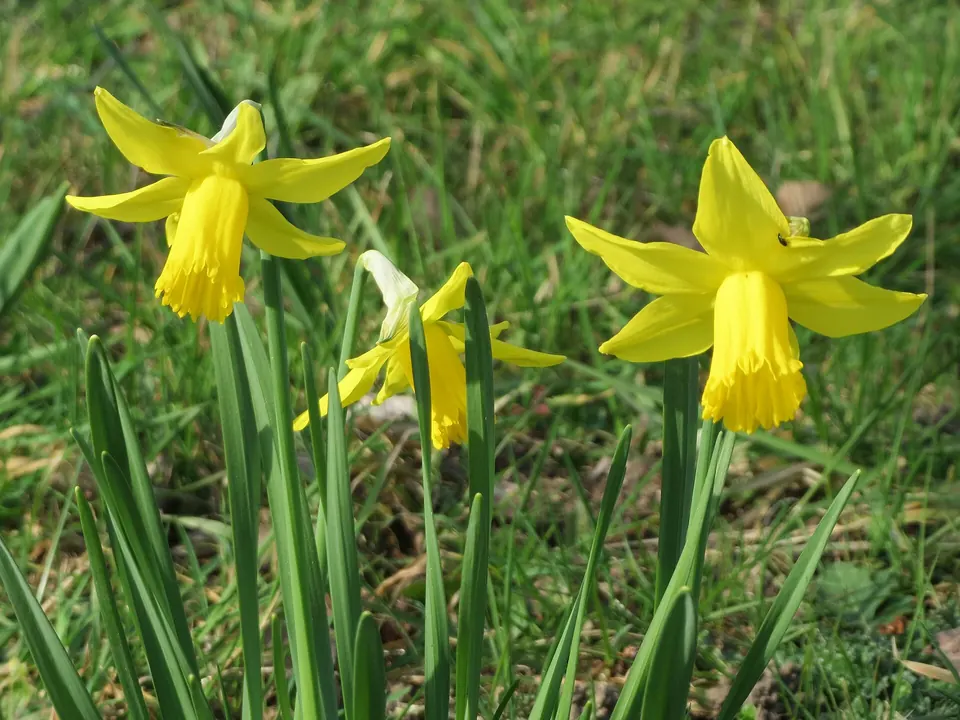 March
Daffodil & jonquil
-
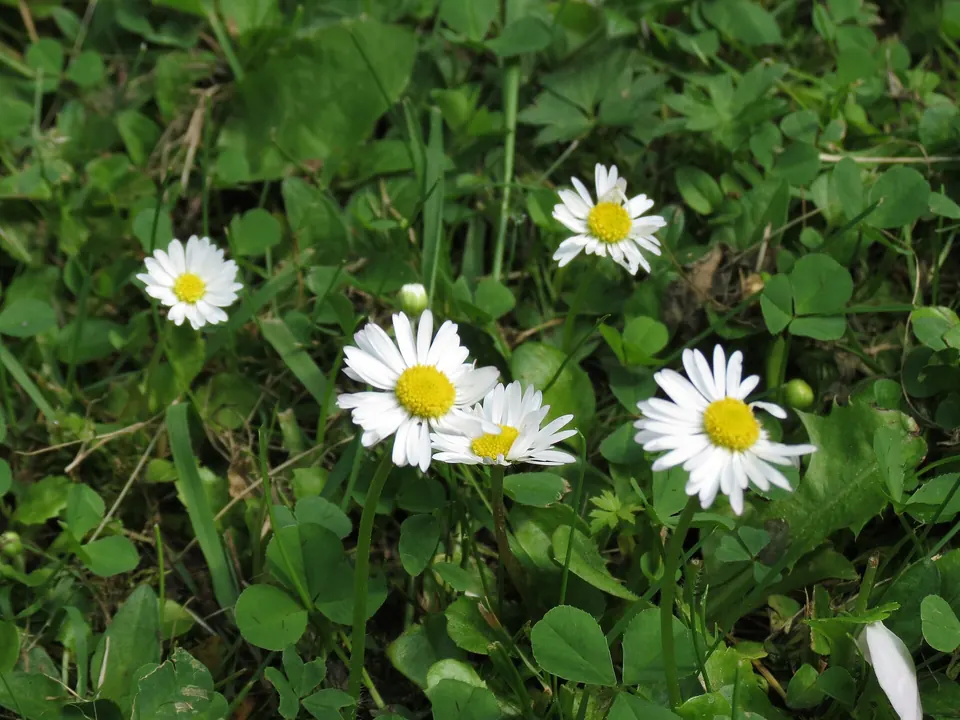 April
Daisy & sweet pea
-
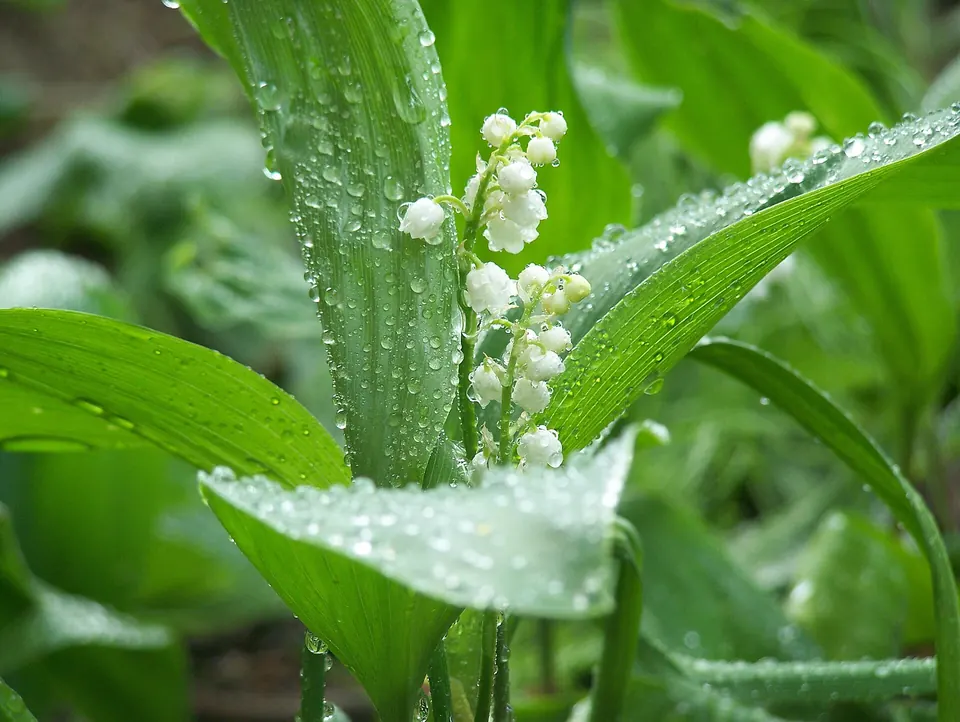 May
Lily of the valley & hawthorn
-
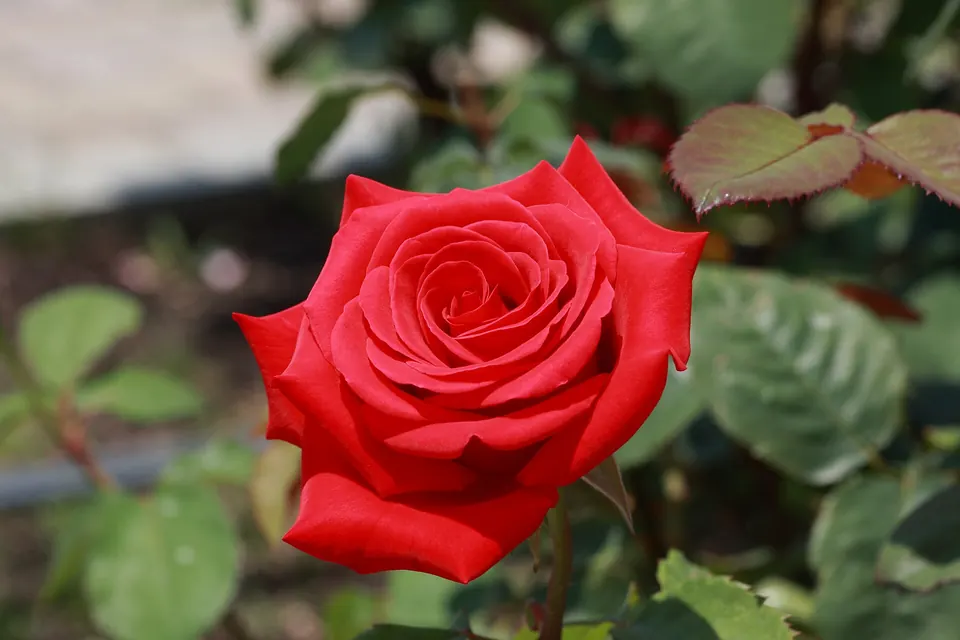 June
Rose & honeysuckle
-
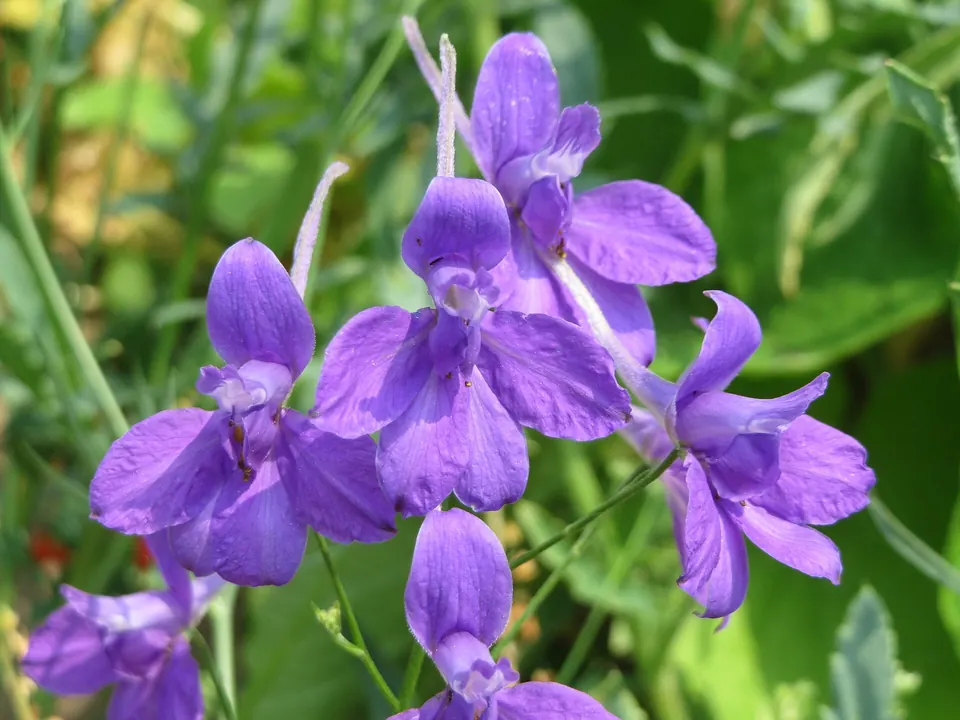 July
Larkspur & water lily
-
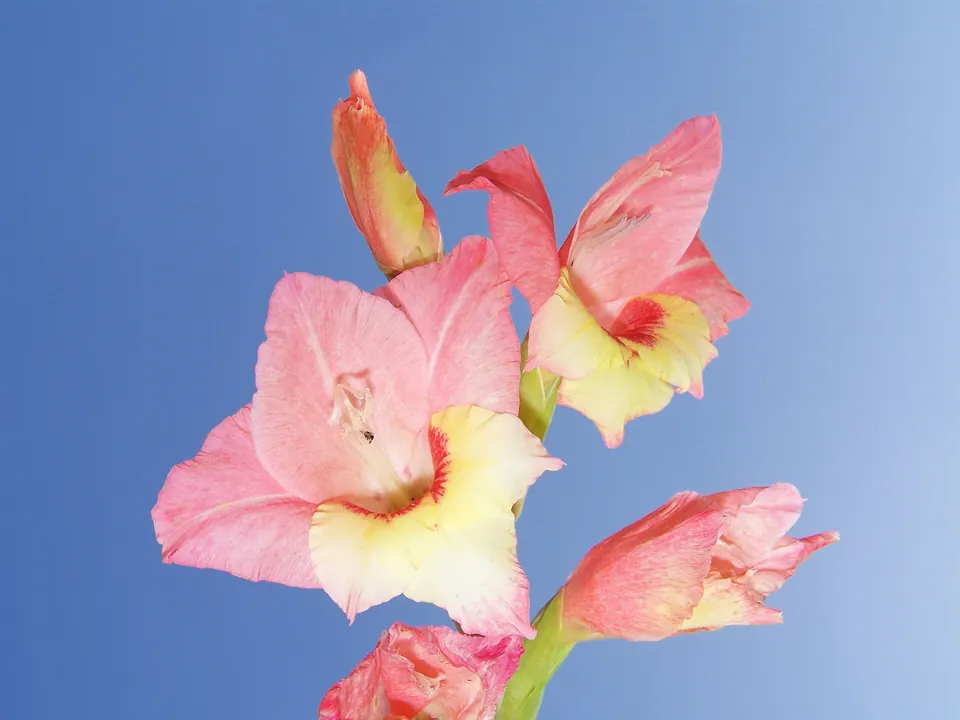 August
Gladiolus & poppy
-
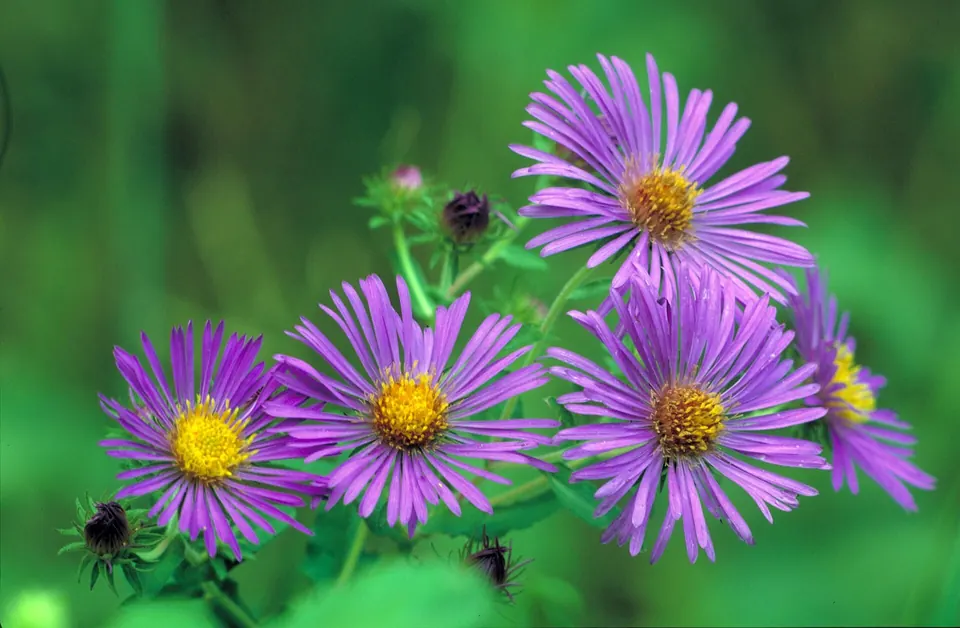 September
Aster & morning glory
-
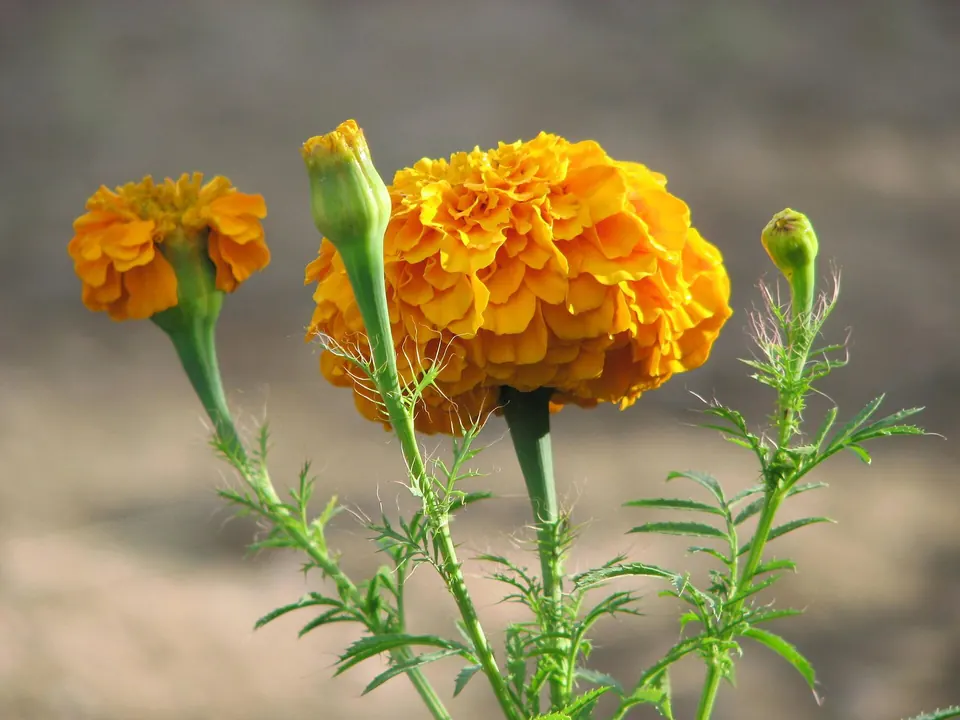 October
Marigold & cosmos
-
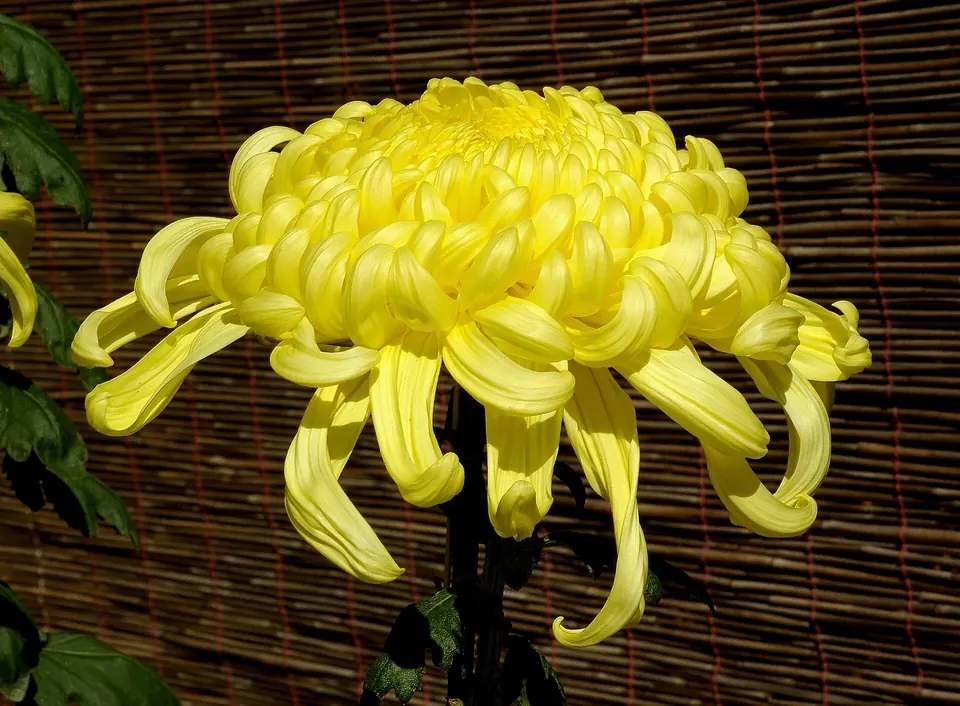 November
Chrysanthemum
-
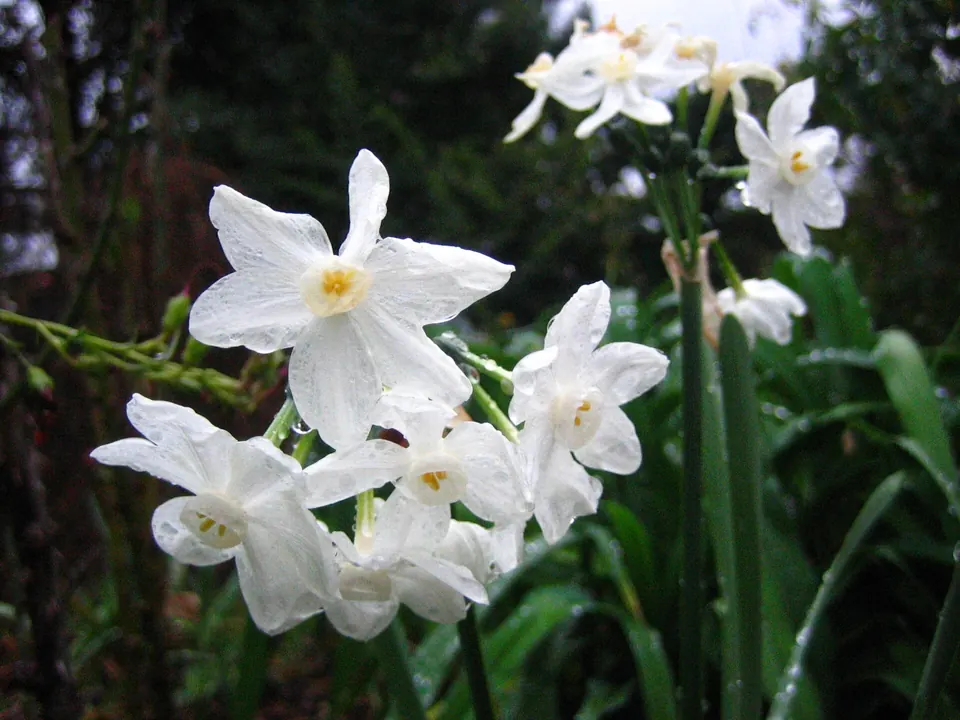 December
Narcissus & holly
Why a game keeps these notes: PocketPetal turns walks into plant hunts. You snap a plant and it joins your collection with a random rarity roll, and a flower you've caught is more fun when you know its story.
Sources and photo credits
- Birth flowers: The Old Farmer's Almanac, “Birth Month Flowers and Their Meanings”, the US list most American sources follow.
- Victorian meanings: Kate Greenaway, Language of Flowers (London, 1884), public domain, via Project Gutenberg.
- Modern meanings: The Old Farmer's Almanac, “Flower Meanings: The Language of Flowers”.
- Photo, rose: Laitche, CC BY 3.0, via Wikimedia Commons.
- Photo, daisy: Donald Hobern from Copenhagen, Denmark, CC BY 2.0, via Wikimedia Commons.
- Photo, larkspur: AnRo0002, CC0, via Wikimedia Commons.
- Photo, marigold: Ana Rodríguez Carrington, CC BY 2.0, via Wikimedia Commons.
- Photo, cosmos: Kryesmin, CC0, via Wikimedia Commons.
- Photo, chrysanthemum: Laitche, Public domain, via Wikimedia Commons.
- Photo, snowdrop: Johan Neven from Borgloon-Gotem, Belgium, CC BY 2.0, via Wikimedia Commons.
- Photo, water lily: Rusty Clark from merritt usland FLA, CC BY 2.0, via Wikimedia Commons.
- Photo, carnation: InGenTech, Public domain, via Wikimedia Commons.
- Photo, violet: AnRo0002, CC0, via Wikimedia Commons.
- Photo, daffodil: AnRo0002, CC0, via Wikimedia Commons.
- Photo, lily of the valley: tuskestibor, CC BY 3.0, via Wikimedia Commons.
- Photo, gladiolus: Wolf Meusel, Public domain, via Wikimedia Commons.
- Photo, aster: Dr. Thomas G. Barnes, U.S. Fish and Wildlife Service, Public domain, via Wikimedia Commons.
- Photo, narcissus: Andrew Ratto from Berkeley, USA, CC BY 2.0, via Wikimedia Commons.


