
Birth flower chart
This is the US list from The Old Farmer's Almanac. The first flower for each month is the primary birth flower and the second is the secondary one. Each month links to its own page, with the meanings in full, colors and tattoo ideas.
| Month | Birth flowers | What they mean |
|---|---|---|
| January | Carnation and snowdrop | Carnation: fascination, and a mother's love Snowdrop: hope |
| February | Violet and primrose | Violet: modesty and faithfulness Primrose: early youth |
| March | Daffodil and jonquil | Daffodil: regard, and new beginnings Jonquil: “I desire a return of affection” |
| April | Daisy and sweet pea | Daisy: innocence Sweet pea: delicate pleasures, or goodbye |
| May | Lily of the valley and hawthorn | Lily of the valley: return of happiness Hawthorn: hope |
| June | Rose and honeysuckle | Rose: love Honeysuckle: generous and devoted affection |
| July | Larkspur and water lily | Larkspur: lightness, levity and first love Water lily: purity of heart |
| August | Gladiolus and poppy | Gladiolus: strength and integrity Poppy: consolation, and remembrance |
| September | Aster and morning glory | Aster: love and patience; once “afterthought” Morning glory: affection, or affectation |
| October | Marigold and cosmos | Marigold: grief, and remembrance Cosmos: order and harmony |
| November | Chrysanthemum | Chrysanthemum: joy and loyalty; mourning in parts of Europe |
| December | Narcissus and holly | Narcissus: self-love, after the myth Holly: foresight |
What is my birth flower?
Your birth flower is the flower of the month you were born in. Find your month in the chart: born in March, it's the daffodil; born in October, the marigold. Most months have two, so you can keep the one you like better or claim both. November is the only month with a single flower, the chrysanthemum.
Birth flowers go by calendar month, not by star sign, so a birthday on the 1st and one on the 31st share the same flowers.
What do birth flowers mean?
Most of the meanings come from the language of flowers, the Victorian habit of giving every flower a message so a bouquet could say something without words. Kate Greenaway's Language of Flowers, published in London in 1884, is one of the best-known dictionaries of it, and it's the source of many meanings on these pages: hope for the snowdrop, innocence for the daisy, love for the rose.
The months follow the seasons. The Almanac notes that each month's flower is usually tied to when it blooms, which is why January has a winter flower and September has asters. A few meanings are newer and very American: the carnation became the Mother's Day flower in 1908, and the red poppy became a flower of remembrance after the First World War.
Why are there two birth flowers for each month?
Nobody ever settled the list. According to the Almanac, different cultures paired different flowers with the same month, and not every flower grows everywhere, so it gives a traditional primary flower and a secondary one for most months.
Often the second flower fills a gap. July's larkspur is a garden flower and its partner, the water lily, belongs to ponds. March's jonquil is simply another kind of daffodil. December sets the paperwhite, a florist's winter flower, next to holly, which stays green outside all winter.
Is there an official birth flower list?
No. Nobody keeps an official birth flower list the way states keep official state flowers. In the US, the list most sources follow is The Old Farmer's Almanac's, the one on this page. UK lists differ for several months, so a British site may give you a different flower.
Sources disagree about meanings too. Greenaway gives the sweet pea two meanings in the same book, “departure” and “delicate pleasures,” and the morning glory is “affectation” in her list but “affection” in the Almanac's. Where that happens, the month pages say so.
Birth flowers for each month
-
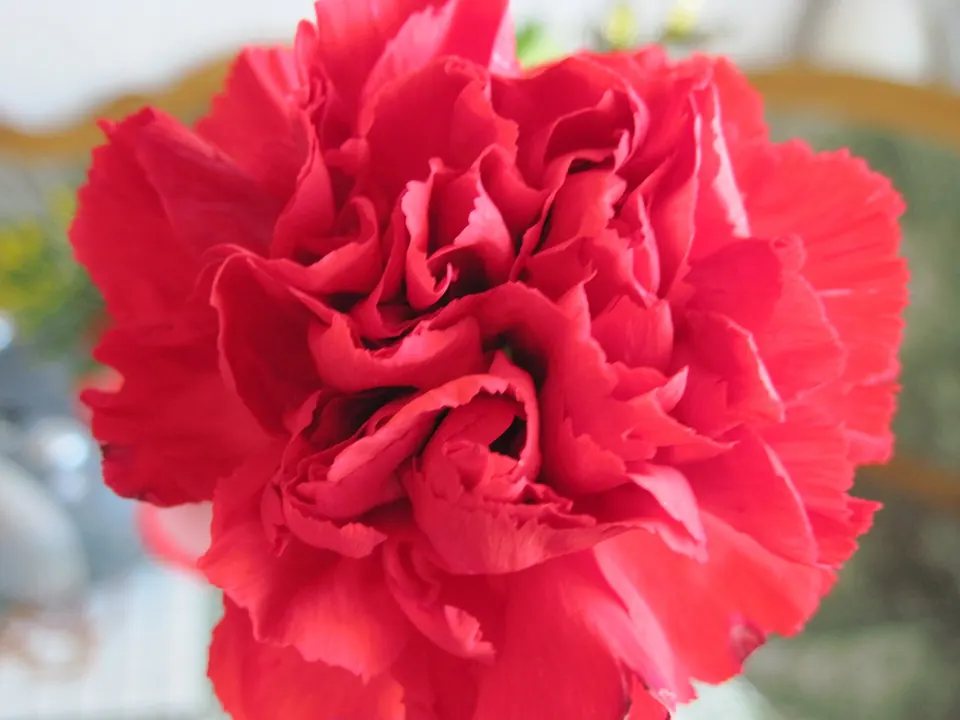 January
Carnation & snowdrop
-
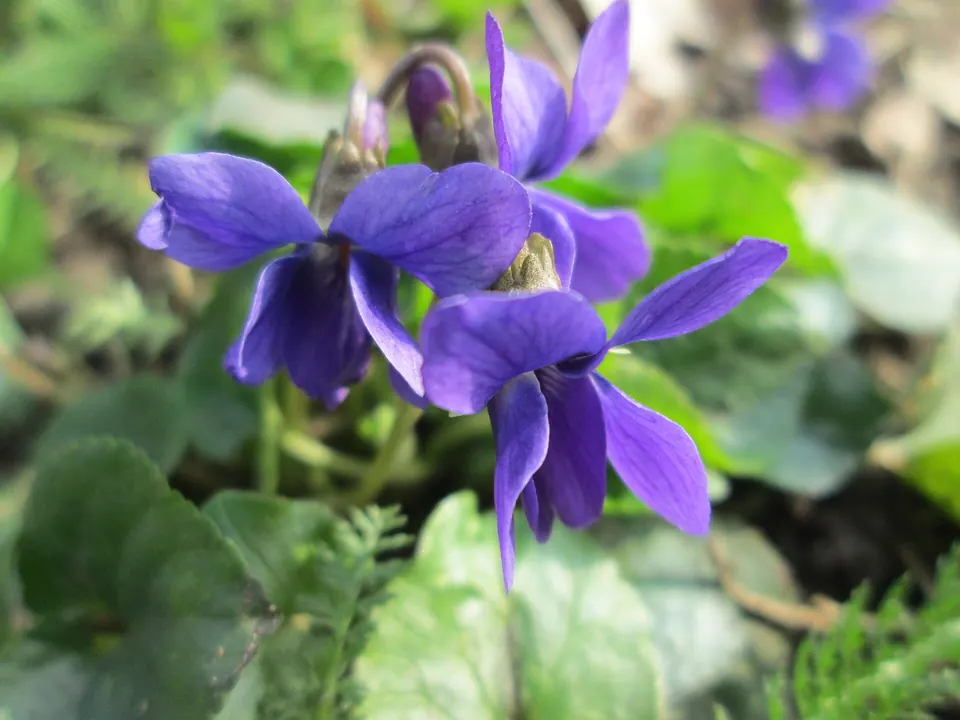 February
Violet & primrose
-
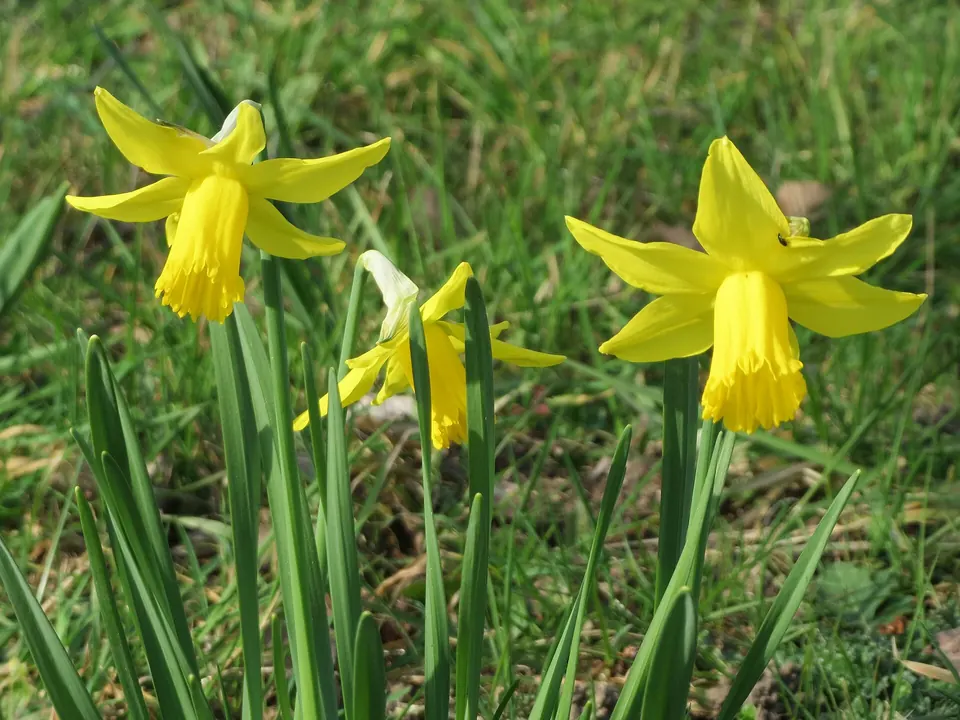 March
Daffodil & jonquil
-
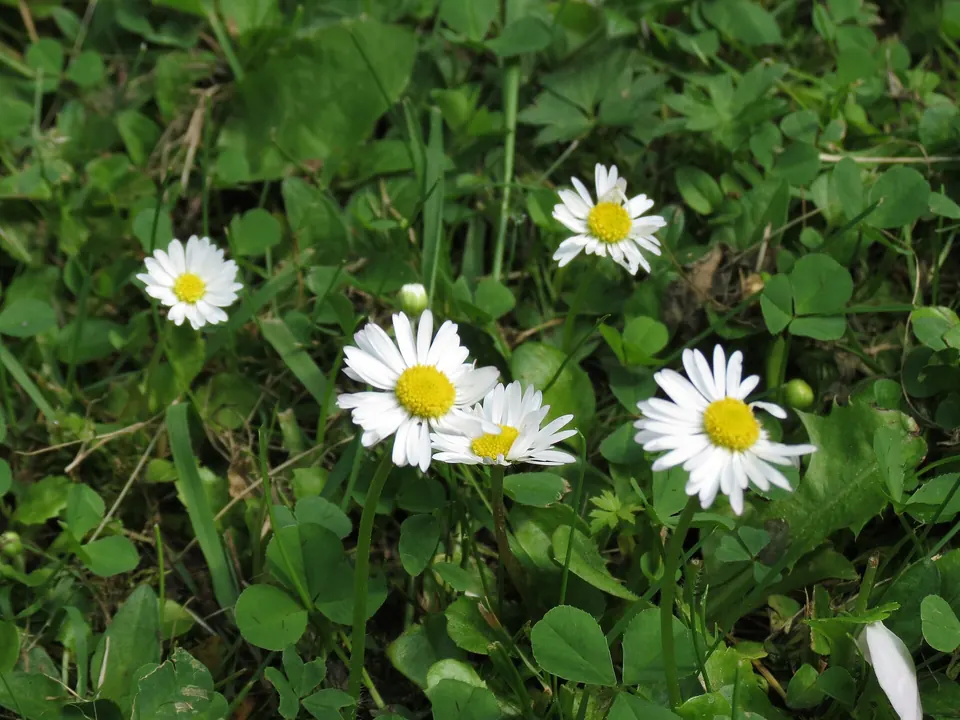 April
Daisy & sweet pea
-
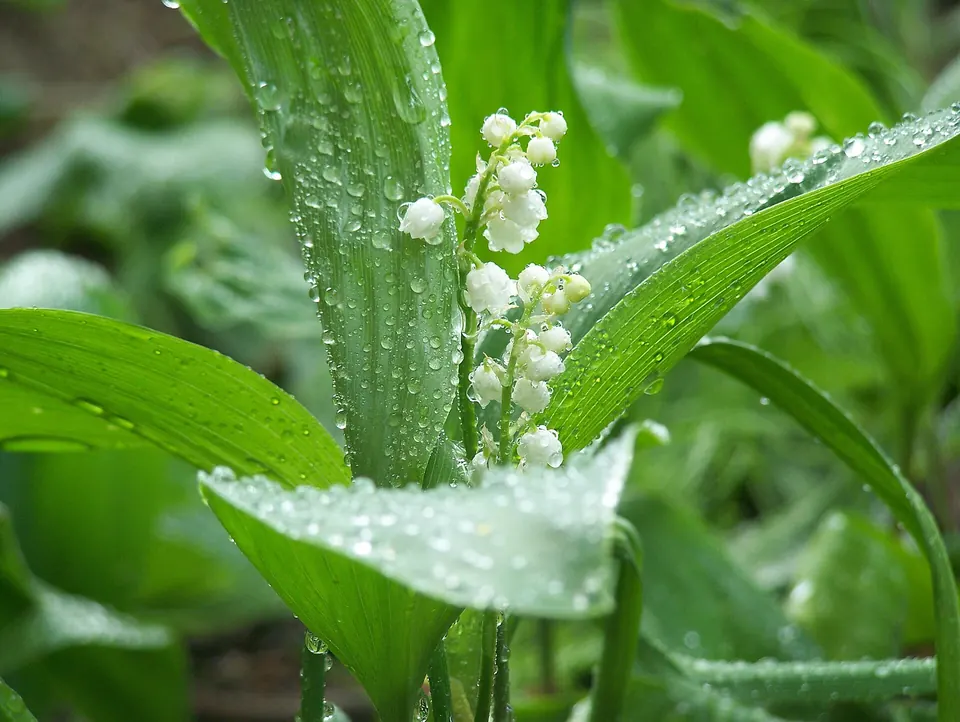 May
Lily of the valley & hawthorn
-
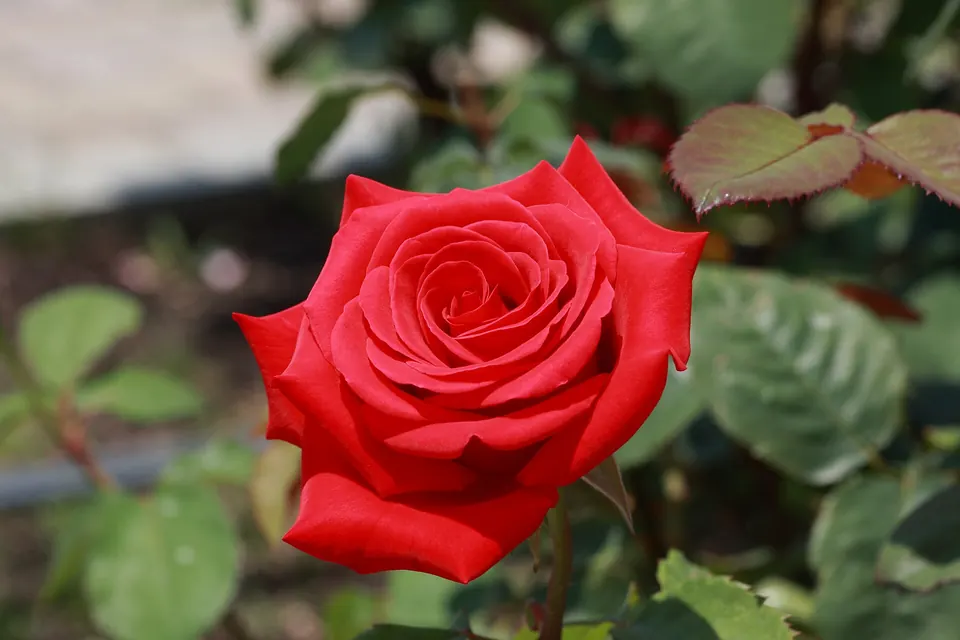 June
Rose & honeysuckle
-
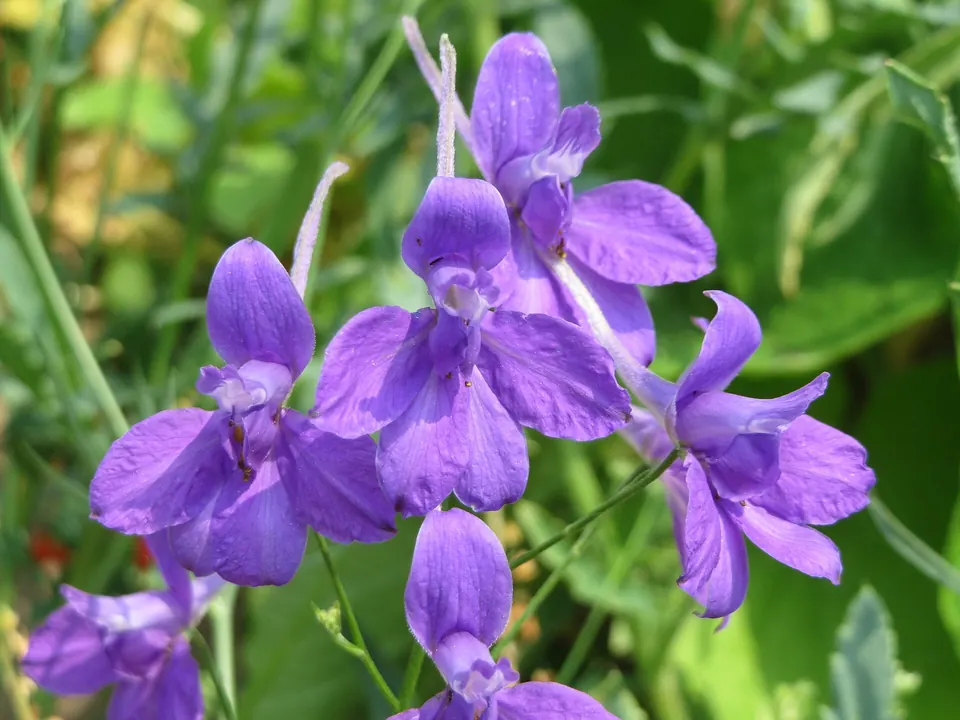 July
Larkspur & water lily
-
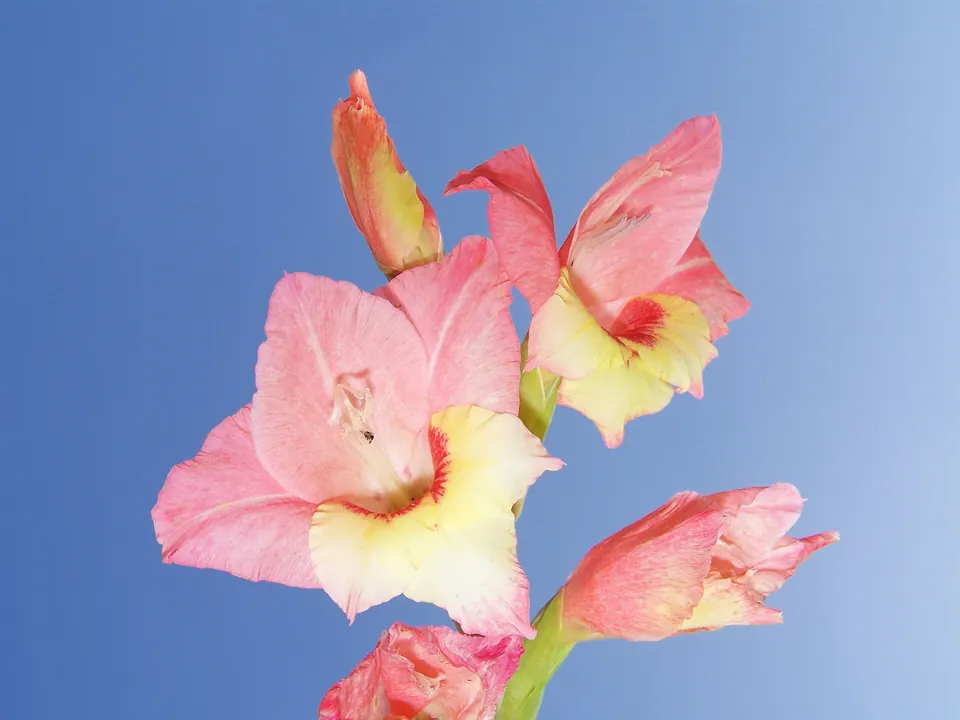 August
Gladiolus & poppy
-
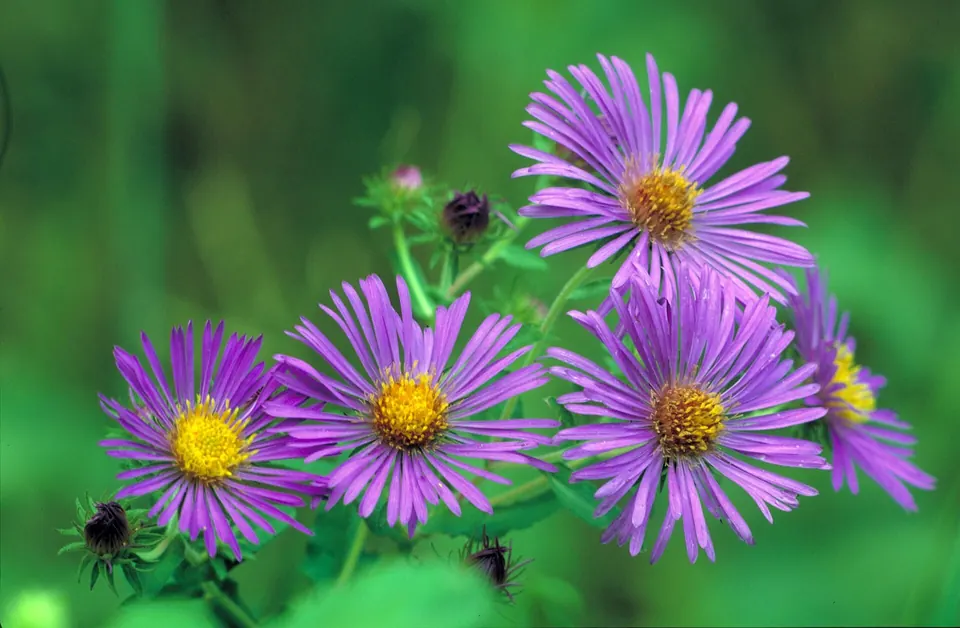 September
Aster & morning glory
-
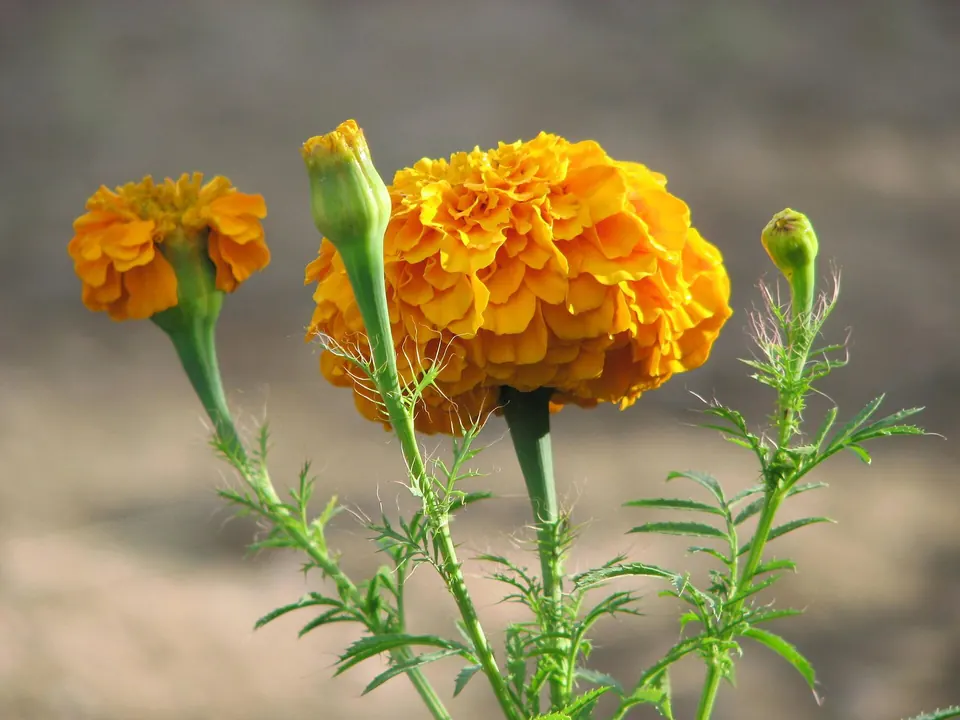 October
Marigold & cosmos
-
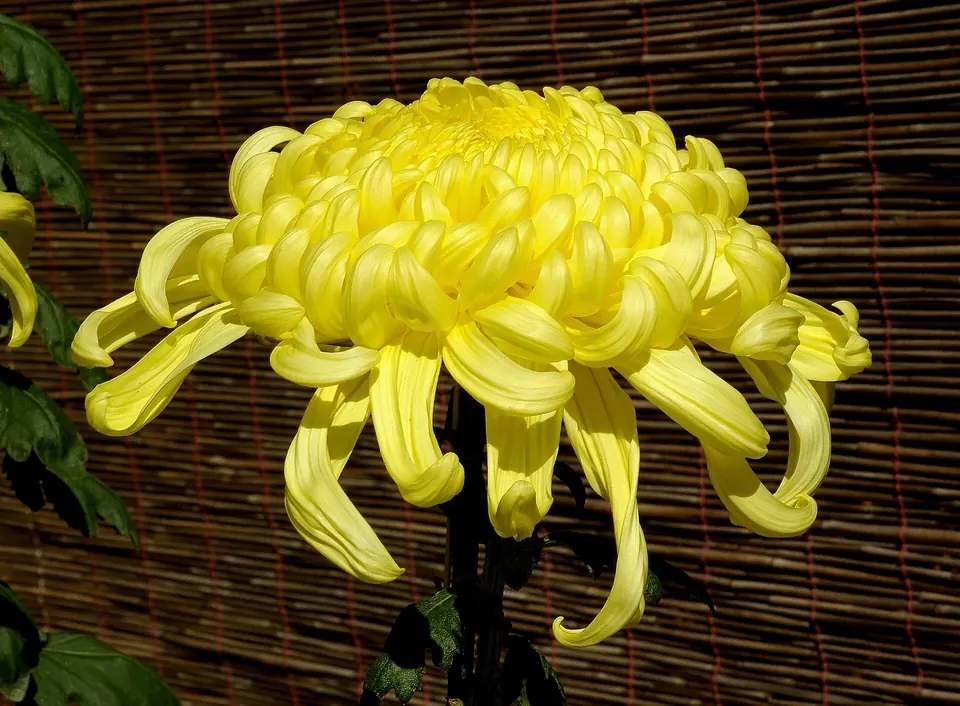 November
Chrysanthemum
-
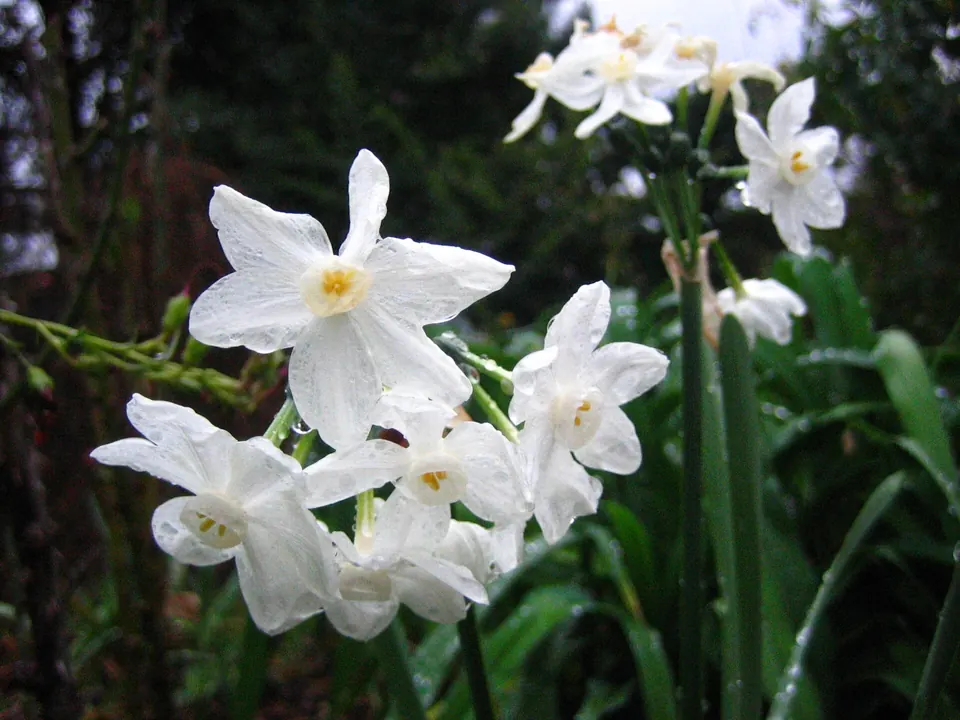 December
Narcissus & holly
Sources and photo credits
- Birth flowers: The Old Farmer's Almanac, “Birth Month Flowers and Their Meanings”, the US list most American sources follow.
- Victorian meanings: Kate Greenaway, Language of Flowers (London, 1884), public domain, via Project Gutenberg.
- Modern meanings: The Old Farmer's Almanac, “Flower Meanings: The Language of Flowers”.
- Photo, carnation: InGenTech, Public domain, via Wikimedia Commons.
- Photo, violet: AnRo0002, CC0, via Wikimedia Commons.
- Photo, daffodil: AnRo0002, CC0, via Wikimedia Commons.
- Photo, daisy: Donald Hobern from Copenhagen, Denmark, CC BY 2.0, via Wikimedia Commons.
- Photo, lily of the valley: tuskestibor, CC BY 3.0, via Wikimedia Commons.
- Photo, rose: Laitche, CC BY 3.0, via Wikimedia Commons.
- Photo, larkspur: AnRo0002, CC0, via Wikimedia Commons.
- Photo, gladiolus: Wolf Meusel, Public domain, via Wikimedia Commons.
- Photo, aster: Dr. Thomas G. Barnes, U.S. Fish and Wildlife Service, Public domain, via Wikimedia Commons.
- Photo, marigold: Ana Rodríguez Carrington, CC BY 2.0, via Wikimedia Commons.
- Photo, chrysanthemum: Laitche, Public domain, via Wikimedia Commons.
- Photo, narcissus: Andrew Ratto from Berkeley, USA, CC BY 2.0, via Wikimedia Commons.


